

Flood Restoration Services Denver offers swift, comprehensive solutions for volatile weather-related flooding. Key steps include immediate water containment, advanced extraction using powerful pumps and dehumidifiers, structural drying with positive pressure ventilation, meticulous damage documentation, and specialized restoration techniques to prevent mold and ensure safe recovery within 24-48 hours of water intrusion. Prioritizing these actions minimizes long-term damage, health risks, and structural instability.
In the face of unpredictable weather patterns, communities across Denver are increasingly preparing for and recovering from flood events. Prompt and effective flood restoration is not just about mitigating property damage; it’s also about preserving irreplaceable memories, protecting sensitive documents, and ensuring business continuity. Flood Restoration Services Denver stands as a beacon of expertise in this critical area, offering swift and thorough remediation solutions tailored to the unique challenges posed by Colorado’s unpredictable climate. Our team of seasoned professionals leverages advanced techniques and state-of-the-art equipment to restore your property to its pre-flood condition efficiently and effectively.
- Understanding Flood Damage in Denver: Initial Assessment
- Rapid Response: Activating Flood Restoration Services Denver
- Water Extraction: Techniques for Efficient Dehumidification
- Structural Drying: Ensuring Safe and Complete Recovery
- Rebuilding Safely: Post-Flood Restoration Tips from Experts
Understanding Flood Damage in Denver: Initial Assessment

Flooding can strike suddenly, leaving a trail of destruction in its wake. In Denver, where seasonal weather patterns can bring intense storms and rapid snowmelt, understanding flood damage and the initial assessment process is crucial for swift recovery. Home flooding recovery solutions often begin with a thorough evaluation of the extent of the damage. This involves identifying water sources, assessing structural integrity, and determining the level of contamination—a critical step before implementing any dry out business after flood strategies.
Experts in Flood Restoration Services Denver recommend a systematic approach. First, locate the primary water source and turn off the main power supply to prevent electrical hazards. Then, document the damage through high-quality photographs, noting affected areas, mold potential, and structural issues. This detailed information guides specialized emergency water removal teams who employ advanced equipment to extract standing water swiftly, minimizing further damage and mold growth.
Key considerations during this phase include identifying signs of water intrusion into walls, ceilings, or foundations. Checking for damaged plumbing or sewer lines is essential, as these can lead to secondary flooding. Moreover, assessing the level of contamination—from clean water to sewage—is vital before proceeding with any dry-out operations. Professional flood restoration services Denver offers utilize advanced moisture meters and air quality testing to ensure a safe and comprehensive dry-out process.
Rapid Response: Activating Flood Restoration Services Denver
In the event of a flood, swift action is paramount to mitigate damage and ensure a faster recovery for Denver residents. One of the most effective steps one can take is to immediately contact Flood Restoration Services Denver—a specialized team equipped to handle such emergencies promptly and efficiently. The initial response time can significantly impact the extent of restoration needed later, making quick engagement a critical aspect of flood management.
Within minutes of your call, the team arrives at the scene, ready to assess the situation. Their expertise lies in understanding that each flooded home is unique, necessitating tailored strategies for effective cleanup and repair. The first step involves containing the water to prevent further seepage, a process that often includes advanced drying techniques to remove moisture from walls, floors, and furniture. For instance, industrial-strength fans and dehumidifiers are strategically placed to expedite drying, minimizing the risk of mold growth and structural damage. This rapid response is key in preserving the integrity of the home, as every hour counts when it comes to flood restoration.
According to recent studies, prompt action within 24–48 hours after a flood can prevent long-term issues like structural instability, mold infestation, and health risks associated with contaminated water. By enlisting Flood Restoration Services Denver, homeowners can trust that their property is in capable hands, ensuring a comprehensive flooded house cleanup and repair process. This includes not only the removal of debris and contaminated materials but also meticulous restoration work to return the home to its pre-flood condition, making it safe and habitable once more.
Water Extraction: Techniques for Efficient Dehumidification
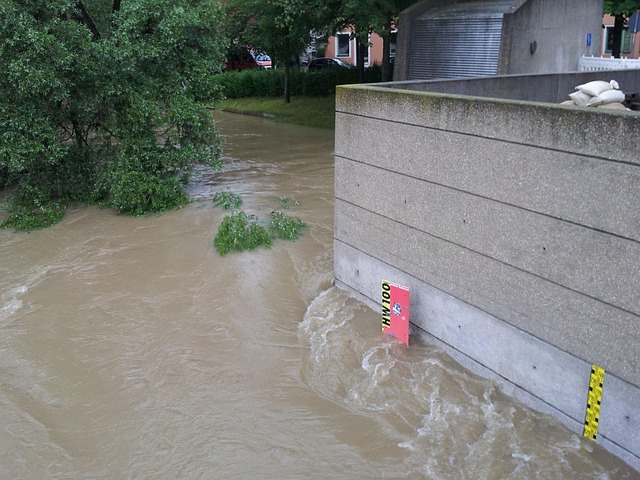
Water extraction is a critical phase in flood restoration services Denver, aiming to minimize damage and ensure a swift recovery. In the initial stages of emergency water extraction Colorado, professionals employ advanced techniques to efficiently dehumidify affected areas, especially in challenging locations like basements. The primary goal is to remove standing water as quickly as possible to prevent further deterioration of structures and personal belongings.
One effective method is using powerful pumps and vacuums designed for high-volume water removal. These machines swiftly extract large volumes of water from flooded spaces, reducing moisture levels significantly. For instance, in a recent basement flooding cleanup, Denver residents witnessed the effectiveness of these tools, allowing for faster drying times and minimizing mold growth risks. Additionally, specialized dehumidifiers play a pivotal role by lowering humidity, creating an environment conducive to structural drying.
As water damage restoration Denver experts suggest, it’s crucial to assess the extent of flooding and choose the right equipment accordingly. In severe cases, professional teams might employ advanced techniques like positive pressure ventilation to expedite the drying process. This involves strategically placing fans to force hot air into flooded areas, promoting evaporative drying. Such methods ensure comprehensive water extraction, critical for maintaining a healthy and safe environment post-flood.
Structural Drying: Ensuring Safe and Complete Recovery
Flooding can leave a trail of destruction, damaging structures and personal belongings. Prompt and effective structural drying is crucial for ensuring a safe and complete recovery in Denver, where flooding is a recurring issue. Flood Restoration Services Denver specializes in water damage restoration, employing advanced techniques to mitigate moisture levels swiftly. This process not only stops further deterioration but also prevents the growth of mold, a common post-flooding hazard.
Structural drying involves using specialized equipment like dehumidifiers and air movers to extract moisture from walls, floors, and furnishings. This meticulous approach ensures that every inch of affected areas is treated, addressing hidden moisture sources often overlooked. For instance, in a recent fire damage restoration project in Denver, our team discovered concealed water intrusion behind drywall, which required precise drying strategies to prevent structural instability.
The speed and efficiency of these processes are vital. According to the Insurance Institute for Business & Home Safety, prompt action within 48 hours of water intrusion can save thousands by minimizing secondary damages. Moreover, a study by SERVPRO® found that over 50% of homes with significant water damage experience mold growth within just 48-72 hours if not properly dried. Thus, Denver flood cleanup services should always prioritize structural drying as a primary step in the recovery process, ensuring a healthier and safer environment for residents.
Rebuilding Safely: Post-Flood Restoration Tips from Experts
After a flood, fast action is crucial for minimizing damage and preventing long-term issues. Denver water extraction experts recommend beginning with immediate evacuation and turning off electricity at the main breaker to avoid electrical hazards. Documenting the damage through photos and videos is essential for insurance claims. Once safety is secured, it’s time to turn to professional flood restoration services Denver residents trust.
The process begins with thorough water removal using advanced equipment like powerful pumps and vacuum systems. Denver flood restoration specialists understand that quick action is key to preventing mold growth and structural damage. They employ specialized drying techniques, including air movement and dehumidification, to expedite the drying process. Once the area is dry, the real work begins: rebuilding safely. This involves removing and replacing damaged materials like drywall, flooring, and furniture, as well as meticulous cleaning of affected items, including flooded carpets in Denver homes.
Professional flood restoration services Denver offers also address odor removal, often utilizing advanced sanitization and disinfection techniques to eliminate any remaining moisture or mold spores. They work meticulously to restore not just physical structures but the peace of mind that comes with a safe, livable environment. Remember, proper water damage restoration tips from experts are vital to ensuring your home returns to its pre-flood condition effectively and safely.
In addressing flood damage swiftly, understanding the intricacies of Denver’s unique flooding challenges is paramount. This article has provided a comprehensive guide through each critical stage of remediating such damage, from initial assessment to post-flood rebuilding. Key insights include the importance of rapid response by activating Flood Restoration Services Denver for efficient water extraction and structural drying. By employing advanced techniques, these services ensure safe and complete recovery, minimizing structural harm and mold risk. The article’s expert tips equip homeowners with practical knowledge for navigating this challenging yet manageable process, ultimately fostering a swift and secure return to normalcy following any flood event in Denver.