

Flood Restoration Services Denver are vital post-flood to mitigate damage, prevent mold growth, and ensure structural integrity. Advanced water extraction within 24-48 hours, followed by specialized drying and deodorization, is crucial. Strategic planning, including foundation reinforcement and improved drainage, is key for long-term resilience against Colorado's weather challenges. Prompt restoration by reputable experts minimizes repair costs and health risks, fostering faster recovery and adaptability to Denver's climate changes.
Floods pose a significant challenge to the residents of Denver, causing extensive damage to properties and disrupting lives. Prompt and effective Flood Restoration Services Denver are vital for minimizing losses and ensuring swift recovery. With frequent severe weather events, the need for professional, reliable, and timely assistance is more critical than ever. This article delves into the comprehensive strategies and services offered by experts in flood restoration, providing valuable insights for Denver residents facing these disasters. By understanding the process, you can better navigate the aftermath and restore your home or business to its pre-flood condition efficiently.
- Assessing Damage: The First Step in Flood Restoration Denver
- Dry Out and Deodorize: Restoring Your Home Post-Flood
- Reconstruction and Prevention: Building a Resilient Denver Home
Assessing Damage: The First Step in Flood Restoration Denver

Following a flood disaster in Denver, assessing the damage is the critical first step in the rebuilding process. This thorough evaluation lays the groundwork for effective flood restoration services Denver businesses can rely on to recover their commercial properties. Water extraction for businesses Denver plays a central role in this initial phase, as it’s essential to mitigate mold growth and structural deterioration caused by standing water.
Professionals in Denver flood restoration services employ advanced equipment and techniques to safely remove water from buildings. They assess the extent of water intrusion, identifying affected areas, and determining the severity of damage. This meticulous process includes checking for hidden water lines behind walls or under floors, as these often go unnoticed but can lead to extensive smoke damage restoration Denver if left untreated. For instance, a 2013 study by the National Weather Service revealed that nearly 60% of commercial property flood losses were exacerbated by poor initial assessments and inadequate water extraction.
Once water is extracted, a comprehensive inspection is conducted to identify any structural weaknesses or further damage. This involves checking for warped walls, weakened foundations, or compromised electrical systems. By combining water extraction for businesses Denver with meticulous inspections, professionals can ensure that every aspect of the flood disaster is properly addressed. This holistic approach forms the foundation for successful restoration and prevents future complications in commercial property flood repair Denver.
Dry Out and Deodorize: Restoring Your Home Post-Flood
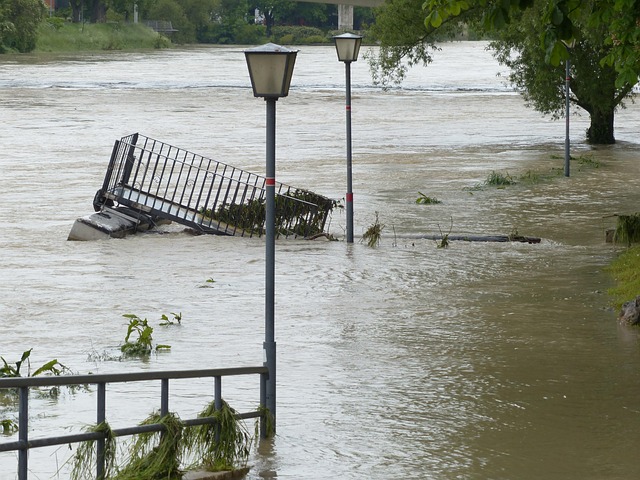
After a flood hits Denver, proper drying and deodorization are critical steps in the rebuilding process. These essential services, often provided by professional Denver water extraction specialists and commercial restoration companies, play a pivotal role in mitigating mold growth, preserving structural integrity, and ensuring the health and safety of residents. The goal is to restore your home or business to its pre-flood condition as swiftly and effectively as possible.
The first 24-48 hours after a flood are crucial for water extraction. Denver’s experts utilize advanced equipment like high-efficiency pumps and vacuums to remove standing water quickly, preventing it from seeping deeper into walls, floors, and other porous materials. This initial step not only halts further damage but also reduces the risk of mold development, which can begin within 24 hours of saturation. Following water extraction, specialized drying methods such as air movement, dehumidification, and desiccation are employed to eliminate moisture from every corner of the affected area. These techniques ensure that structures dry evenly, minimizing warping or deformation.
Once the primary drying process is complete, a thorough deodorization becomes essential. Floodwater often carries unsavory odors due to contaminants like sewage, soil, and chemicals. Professional restoration companies employ advanced odor removal techniques using enzymatic cleaners and air purification systems. These methods not only eliminate malodors but also target and destroy any remaining mold spores, ensuring a healthier environment for residents to return to. For instance, according to the Insurance Institute for Property Loss Data, 40% of homes affected by flooding develop mold issues within six months if proper drying isn’t achieved.
In addition to hiring Denver flood restoration services, homeowners can take proactive measures like opening windows (when safe and weather permits), using fans to facilitate air flow, and monitoring humidity levels. However, for extensive water damage or commercial restoration projects, it’s best to rely on seasoned professionals who possess the specialized equipment and expertise needed to restore properties effectively, ensuring your Denver home or business returns to its pre-disaster condition with minimal disruption.
Reconstruction and Prevention: Building a Resilient Denver Home

After a devastating flood disaster in Denver, rebuilding is a meticulous process that requires strategic planning and expert guidance. The first step lies in effective flood restoration services Denver residents can rely on to mitigate immediate damage and ensure a safe environment. With water mitigation companies near me readily available, property owners should seek the assistance of Denver flood restoration specialists who understand the unique challenges posed by Colorado’s unpredictable weather patterns.
One of the key aspects of reconstruction is focusing on resilience. Homeowners should consider implementing measures to prevent future floods, especially with the increasing frequency and intensity of severe storms in the region. For instance, reinforcing foundations, installing water barriers, and improving drainage systems can significantly reduce the impact of potential deluges. Additionally, using flood-resistant building materials and designs recommended by experts can offer long-term protection. Regular maintenance checks, such as inspecting pipes for leaks or bursts, are crucial, especially in older homes, as quick action can prevent minor issues from escalating into major disasters.
In cases of severe flooding, like those caused by pipe bursts, restoration after the initial event is a critical phase. Homeowners should document damage and contact reputable water mitigation companies near me for rapid response. These professionals employ advanced equipment and techniques to extract standing water and dry out affected areas, minimizing mold growth and structural deterioration. Proper restoration ensures that homes not only survive but thrive post-disaster. For instance, a study by the National Weather Service highlights that prompt flood restoration services Denver residents utilize can lead to reduced costs associated with long-term repairs and health issues related to prolonged water damage.
Ultimately, preparing for and recovering from floods is an ongoing process. By enlisting the help of Denver flood restoration specialists and staying informed about prevention methods, residents can protect their homes and communities. This proactive approach not only ensures a faster recovery but also fosters resilience in the face of Denver’s ever-changing climate.
In navigating the aftermath of a Denver flood disaster, this article has underscored the critical importance of swift and comprehensive flood restoration services Denver. Key insights include the urgent need to assess damage, effectively dry out and deodorize affected areas, and implement robust reconstruction and prevention strategies. By adhering to these guidelines, homeowners can not only restore their properties but also build resilient homes that mitigate future risks. The article has provided a detailed roadmap for successful flood restoration, emphasizing professional expertise and comprehensive approaches to ensure a safe and habitable environment post-disaster. These practical steps serve as a valuable resource for folks in the Denver area preparing for or recovering from flood events.