
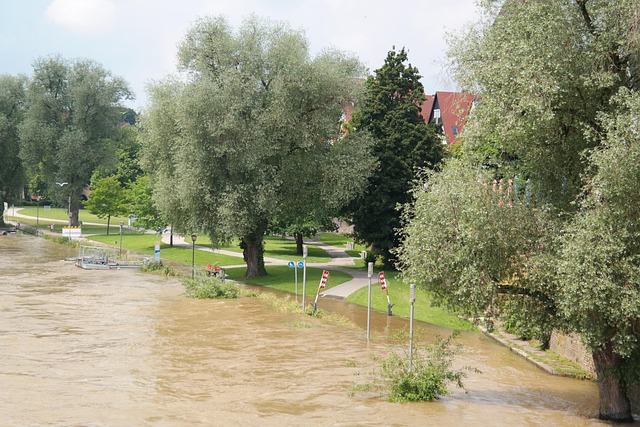
Denver's climate fosters mold growth after flooding events, posing health risks. Efficient water extraction and specialized Flood Restoration Services Denver are crucial for mitigating damage. Quick action within 24-48 hours prevents mold proliferation by containing water, removing standing water, using advanced equipment, and applying anti-microbial treatments. Regular monitoring ensures ongoing protection against recurring mold issues. Comprehensive flood recovery includes inspections, drying techniques, carpet cleaning, humidity control, and ventilation to deter future problems.
Flooding in Denver can leave behind not only water damage but also a significant health risk: mold. Preventing mold growth after flooding is crucial for maintaining a safe and healthy living environment. This article delves into the critical steps to avoid mold following a flood, focusing on the unique challenges and solutions specific to Denver’s climate and environment. By understanding these methods, homeowners and business owners can effectively utilize Flood Restoration Services Denver to mitigate mold and ensure their properties remain safe and valuable.
- Understanding Denver's Mold Issues After Flooding
- Immediate Steps Post-Flood: Preventing Mold Growth
- The Role of Flood Restoration Services Denver
- Effective Mold Remediation Techniques for Homes
- Long-Term Strategies to Keep Mold at Bay in Denver
Understanding Denver's Mold Issues After Flooding

Denver, with its unique climate and geographical features, presents specific challenges when it comes to mold growth after flooding events. Understanding these issues is crucial for homeowners and businesses alike, as prompt and effective flood restoration services can significantly mitigate long-term damage and health risks associated with mold. The city’s semi-arid environment, while desirable for many, increases the likelihood of rapid mold development in flooded areas due to high humidity levels and abundant organic materials.
Studies show that unaddressed water intrusion can lead to severe structural damage and foster ideal conditions for mold spores to proliferate. In fact, a recent survey by the Colorado Department of Public Health and Environment revealed that over 50% of Denver-area homes affected by flooding experienced significant mold growth within six months without professional intervention. This highlights the pressing need for efficient water extraction for businesses Denver residents rely on during such crises, as well as specialized flooded wall repairs Denver services to prevent subsequent mold issues.
The complexity of Denver’s mold problems necessitates a multi-faceted approach. After initial flood restoration services Denver professionals have extracted standing water and dried the affected areas, continuous monitoring is vital. This includes regular checks for moisture levels, especially in hard-to-reach corners and spaces behind walls, where water can linger unnoticed. Restoring damaged property from floods, particularly in commercial settings, requires meticulous attention to detail to ensure all surfaces are thoroughly dried and any hidden moisture sources are addressed. Early detection of mold colonization is key to preventing its spread and the associated health concerns for residents and workers alike.
Immediate Steps Post-Flood: Preventing Mold Growth

After a flood, immediate action is crucial to prevent mold growth, especially in Denver’s unique climate. The first 24 to 48 hours are a critical period where prompt intervention can significantly mitigate mold issues. Flood Restoration Services Denver experts emphasize that quick response and proper moisture removal are key strategies. Professional water extraction and drying services should be engaged as soon as possible to minimize the risk of mold development, which can cause severe health issues and structural damage.
In many cases, visible water stains or odours may not necessarily indicate mold growth immediately after a flood. However, if left unaddressed, even subtle signs of moisture intrusion can create an ideal environment for mold to thrive within 24 to 48 hours. This is particularly true in areas with high humidity and temperature fluctuations, such as Denver’s microclimates. A study by the University of Colorado found that over 50% of homes affected by flooding developed mold issues within one week if proper drying techniques weren’t employed. Therefore, affordable flood damage restoration services should be viewed as an investment to protect both health and property value in the long term.
Commercial Restoration Denver specialists employ advanced equipment for efficient moisture removal, ensuring that all affected areas are thoroughly dried. This includes specialized dehumidifiers and air movers to expedite the drying process. By following recommended protocols, including removing wet materials like drywall and insulation, and using professional-grade anti-microbial treatments, Commercial Restoration Denver can effectively prevent mold growth and restore properties to their pre-flood condition. Property owners should remember that timely action is paramount, and engaging experienced flood restoration services in Denver can make all the difference in minimizing future health risks and repair costs.
The Role of Flood Restoration Services Denver
After a flood hits Denver, proper restoration is crucial to prevent mold growth. Flood Restoration Services Denver play a vital role in this process, offering specialized expertise and equipment tailored for water damage mitigation. These services extend beyond initial water removal; they involve meticulous drying, decontamination, and repair to create an environment inhospitable to mold development. For instance, advanced moisture meters are employed to identify hidden water sources, ensuring every affected area is addressed.
One of the critical aspects handled by Flood Restoration Services Denver is flooded carpet cleaning. Carpets act as formidable reservoirs for mold spores, making their thorough cleaning and eventual replacement a priority. Similarly, restoration after pipe bursts requires swift action. Burst pipes can lead to substantial water intrusion, causing extensive damage that demands specialized knowledge to repair effectively. Mold Removal Denver services are often called upon during these situations, not only to clean but also to ensure the underlying structure is safe from mold colonization.
Professional restoration companies in Denver adhere to industry standards and guidelines, such as those set by the IICRC (Institute of Inspection, Cleaning and Restoration Certification). These standards ensure a systematic approach to restoration, minimizing the risk of mold growth. By following these protocols, Flood Restoration Services Denver help protect homes and businesses from potential health hazards associated with mold exposure, ensuring a safer and healthier environment for residents post-flood.
Effective Mold Remediation Techniques for Homes
Mold growth after flooding is a significant concern for homeowners in Denver, where water damage restoration services are frequently needed due to unpredictable weather patterns. Effective mold remediation techniques are essential to ensure a healthy and safe living environment. Flood Restoration Services Denver specializes in comprehensive water damage repairs and understands that quick action is crucial to prevent long-term issues.
The first step in mold mitigation is containing the affected area and removing standing water as soon as possible. Professional moisture removal services in Denver employ advanced equipment, such as high-efficiency particulate air (HEPA) vacuums and industrial dehumidifiers, to reduce humidity levels and expedite drying processes. This rapid response not only halts further water absorption by materials but also prevents mold spores from proliferating. For instance, a study by the Environmental Protection Agency (EPA) found that visible mold growth can occur within 24-48 hours of water intrusion.
Once the area is dried, Denver’s top Flood Restoration Services focus on thorough cleaning and decontamination using specialized solutions. These treatments not only eliminate existing mold but also inhibit future growth. It’s important to note that some materials may need to be removed and replaced, especially if they have absorbed significant moisture. Professional restoration companies in Denver have the expertise to assess and restore various items, from structural elements like walls and ceilings to personal belongings, minimizing the need for complete replacements. Regular monitoring post-restoration ensures any recurring mold issues are addressed promptly.
Long-Term Strategies to Keep Mold at Bay in Denver
Preventing mold growth after flooding is a critical aspect of flood restoration services Denver residents and businesses need to understand. While immediate action during and after heavy rain in Colorado is essential, long-term strategies are vital to ensure a healthy and safe environment. Mold thrives in damp conditions, making it crucial to address moisture issues promptly and effectively.
One of the primary steps in mold prevention involves thorough flooded carpet cleaning Denver experts recommend. Water damage from heavy rain can leave carpets and upholstery saturated, creating an ideal breeding ground for mold within 24-48 hours. Professional flood recovery services should begin with a complete inspection to identify the extent of water intrusion. Advanced drying techniques, including air movement and dehumidification, are then employed to expedite drying times. This rapid response significantly reduces moisture levels, minimizing the risk of mold development.
Beyond initial restoration after heavy rain Colorado experiences, establishing a robust post-flood maintenance routine is key. Regular inspection and monitoring of affected areas are necessary to identify any signs of water intrusion or elevated humidity. Addressing these issues promptly prevents future flooding that could lead to recurrent mold problems. Additionally, maintaining proper ventilation and ensuring adequate air circulation in enclosed spaces helps control moisture levels, further deterring mold growth. By combining prompt action during the initial flood event with long-term maintenance strategies, Denver residents can effectively keep mold at bay.
Flooding in Denver can create ideal conditions for mold growth, but understanding and implementing proactive measures can prevent these issues. Key insights include taking immediate action post-flood, such as drying out areas thoroughly within 24-48 hours to inhibit mold development. Engaging Flood Restoration Services Denver is crucial for professional guidance and specialized equipment. Effective remediation techniques involve removing contaminated materials, using anti-mold treatments, and ensuring proper ventilation. Long-term strategies emphasize maintaining good air circulation, addressing moisture issues, and regularly inspecting homes. By following these comprehensive steps, Denver residents can protect their properties from mold damage and create a healthier living environment after flooding events.