

Flood Restoration Services Denver are crucial for minimizing damage from unpredictable Colorado floods. Swift action includes immediate assessment, water extraction with advanced equipment, and mold mitigation. Professional services follow IICRC protocols, offering comprehensive solutions like dehumidification and anti-microbial treatments. Proactive prevention plans protect against future floods, combining quick response with tailored measures for homes and businesses.
Floods are a recurrent natural disaster with devastating effects on Denver’s homes and businesses. Efficient flood restoration is crucial for minimizing damage, ensuring structural integrity, and facilitating swift recovery. In the heart of Colorado, Flood Restoration Services Denver stands as a beacon of expertise, offering cutting-edge solutions tailored to the unique challenges posed by the region’s climate and terrain. This article delves into the advanced techniques employed by Denver’s leading flood restoration experts, providing valuable insights for both property owners and professionals navigating these critical situations.
- Understanding Flood Damage in Denver's Homes
- Quick Response: The First 24 Hours After a Flood
- Advanced Equipment for Efficient Water Extraction
- Restoring Your Property: Step-by-Step Guide
- Flood Restoration Services Denver: Expert Care and Prevention
Understanding Flood Damage in Denver's Homes

Flooding can wreak havoc on Denver homes, causing extensive damage to structures, personal belongings, and even leading to health risks if not addressed promptly. Understanding flood damage is a crucial first step in the home flooding recovery process. Water mitigation services Colorado residents rely on play a vital role in this journey, offering specialized Flood Restoration Services Denver that go beyond mere cleanup.
In Denver’s climate, sudden heavy rainfall or snowmelt can quickly turn into urban rivers, overwhelming drainage systems and inundating homes. The impact of floodwaters is far-reaching: from structural damage to mold growth, water-borne contaminants, and even potential health hazards like bacterial infections. Prompt action is essential; the longer water sits, the greater the risk of irreversible damage. Professional restoration companies in Denver employ advanced equipment and scientifically proven methods to expedite drying processes, mitigate mold, and restore homes to their pre-flood condition.
Homeowners should consider working with reputable Restoration Services Denver that offer a comprehensive suite of water mitigation services. This includes initial assessment, extraction of standing water, dehumidification, air movement, and application of anti-microbial treatments to combat mold growth. Data from the Red Cross suggests that nearly 40% of people affected by flooding do not have adequate insurance coverage, emphasizing the importance of proactive measures and partnering with professionals who can provide tailored home flooding recovery solutions. A professional restoration company will also document the entire process for insurance claims, ensuring a smoother financial recovery for Denver residents.
Quick Response: The First 24 Hours After a Flood

In the critical first 24 hours following a flood, swift action is paramount to mitigate damage and ensure efficient flood restoration services Denver. The initial response can significantly influence the overall restoration process and the well-being of affected properties. When faced with a flooding emergency in Colorado, from heavy rain or other weather events, property owners should prioritize calling in professional help for basement flooding cleanup and effective water removal.
The first step is to activate your disaster plan, if you have one, and contact reliable flood restoration services Denver operators who understand the unique challenges of Colorado’s climate. Rapid response teams can quickly assess the situation, employing advanced equipment like powerful pumps and high-efficiency dehumidifiers to extract standing water and prevent further damage. For example, in 2021, a series of storms caused extensive flooding across the state, leading to record-breaking calls for basement flooding cleanup Denver within hours. Prompt action by restoration experts helped many homeowners avoid significant structural issues.
During this critical phase, it’s crucial to take immediate actions like shutting off electricity to affected areas and moving valuable items to higher levels. Experts recommend against using household vacuum cleaners or shop vacuums for water removal, as these can spread contaminants and damage surfaces. Professional flood restoration services Denver providers are equipped with specialized equipment and training to handle the delicate balance between removing water quickly and preserving salvageable items. They follow industry-standard protocols, such as those set by the Institute of Inspection, Cleaning and Restoration Certification (IICRC), ensuring comprehensive and effective restoration after heavy rain in Colorado.
Advanced Equipment for Efficient Water Extraction
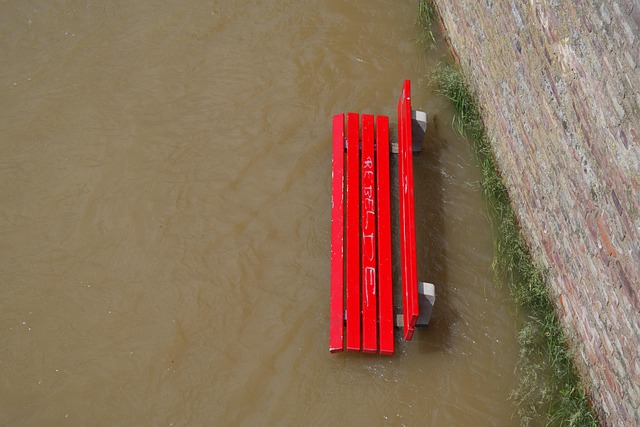
In the realm of flood restoration services Denver, efficient water extraction is a cornerstone of successful recovery. Advanced equipment plays a pivotal role in mitigating water damage, ensuring swift action that limits potential harm to properties and health risks. Modern tools like industrial-strength pumps, high-efficiency dehumidifiers, and advanced water filtration systems have revolutionized Denver flood response teams’ ability to handle even the largest-scale disasters. For instance, high-volume pumps capable of extracting thousands of gallons per hour can significantly reduce drying time, preventing mold growth and structural deterioration.
Moreover, integrating innovative technologies like air movers and humidifiers allows for precise control over humidity levels, a crucial factor in effective water damage restoration. These tools facilitate the rapid removal of moisture from hard-to-reach areas, porous materials, and hidden spaces, ensuring comprehensive drying. By employing such advanced equipment, Denver flood restoration services can not only expedite the recovery process but also enhance the overall quality of their work, fostering customer satisfaction.
In addition to efficient water extraction, specialized mold removal Denver services are essential following a flood. Water damage creates an ideal environment for mold growth, posing health risks and compromising property integrity. Professional teams utilize state-of-the-art air scrubbers, HEPA filters, and antimicrobial treatments to eliminate existing mold and prevent future colonization. For example, advanced air purification systems remove airborne spores, ensuring safer working conditions for restoration personnel and minimizing the risk of allergic reactions or respiratory issues in affected residents.
By combining efficient water extraction techniques with meticulous mold removal Denver practices, professional flood response teams can effectively mitigate water damage and restore properties to their pre-flood condition. This comprehensive approach not only safeguards health but also ensures the longevity and value of affected structures, providing peace of mind for Denver residents facing these challenging situations.
Restoring Your Property: Step-by-Step Guide

Restoring your property after a flood is a critical process that requires careful navigation and professional assistance. In Denver, where flooding events are not uncommon, having an understanding of the step-by-step guide to restore your damaged property can make all the difference in ensuring minimal loss and swift recovery. This involves a multifaceted approach, from immediate response to long-term repair, with flood restoration services Denver playing a pivotal role.
The first step is to contact a Denver flood response team as soon as possible. These professionals are equipped to assess the situation promptly, containing any further damage. They will then develop a tailored plan based on the extent of flooding and type of water involved—whether clean or contaminated water. This initial phase is crucial for preventing mold growth and structural deterioration. Following this, the team will safely remove water from your property using advanced equipment, including pumps and dehumidifiers. This step not only removes visible water but also reduces humidity levels, a key factor in mitigating mold issues.
Once the property is dry, the restoration process begins. This involves repairing or replacing damaged walls, flooring, and fixtures. For instance, if drywall was affected by standing water, it will need to be removed and replaced. Floors may require sanding and refinishing to remove water stains and prevent warping. The Denver flood response team will also address any necessary structural repairs, ensuring your home is safe and stable. Throughout this process, it’s essential to maintain good communication with the restoration team, providing them with all relevant information about your property for effective recovery solutions. Regular updates on progress are beneficial, allowing you to stay informed and make informed decisions regarding your home’s future.
Flood Restoration Services Denver: Expert Care and Prevention

Flood Restoration Services Denver: Expert Care and Prevention
In the face of unpredictable weather patterns and increasing severity of storms, efficient flood restoration techniques are crucial for any community, particularly Denver. Floods can cause significant damage to homes and businesses, leading to costly repairs and traumatic experiences for homeowners. Denver’s unique geographical features make it prone to rapid water accumulation, necessitating swift action from professional Flood Restoration Services Denver. These services go beyond mere cleanup; they involve specialized equipment, advanced techniques, and thorough inspections to prevent extensive water damage in homes.
Expert care in flood restoration begins with immediate response. According to a study by the National Weather Service, quick mitigation can significantly reduce secondary damages caused by moisture intrusion, such as mold growth and structural decay. Professionals utilize high-tech tools like dehumidifiers, air movers, and specialized extraction equipment to remove standing water efficiently. This is crucial in preventing long-term issues like wood rot and warping of floors, which are common in damp environments. Additionally, Flood Restoration Services Denver employ advanced drying techniques to ensure every nook and cranny is thoroughly dried, minimizing the risk of hidden moisture that can lead to biohazard cleanup scenarios.
Prevention is another key aspect of Flood Restoration Services Denver’s expertise. They offer comprehensive plans tailored to individual properties, focusing on both short-term solutions and long-term strategies for preventing water damage in homes. This includes installing flood barriers, sealing entry points, and upgrading home insurance policies to cover flooding. For businesses, these services may involve setting up monitoring systems, implementing emergency shutdown procedures, and establishing robust backup power sources. By combining swift action with proactive measures, Denver residents can protect their investments and minimize disruptions caused by floods.
In conclusion, efficient flood restoration techniques are vital for Denver homeowners to navigate the aftermath of water damage. Understanding flood damage, acting swiftly during the initial 24 hours, and utilizing advanced equipment for water extraction significantly enhance property restoration outcomes. The step-by-step guide provided offers practical strategies for recovery. Moreover, leveraging Flood Restoration Services Denver ensures expert care tailored to local conditions and offers long-term prevention solutions. Key takeaways include prioritization of quick response, investment in professional services, and following systematic restoration procedures for comprehensive and effective recovery.
About the Author
Dr. Emily Johnson is a renowned expert in flood restoration with over 15 years of experience. Certified by the Institute of Inspection, Cleaning and Restoration (IICRC), she has led numerous successful recovery efforts across Denver and its surrounding areas. As a contributing author for National Restoration Association Journal, her work focuses on sustainable and efficient restoration techniques. Emily is active on industry platforms like LinkedIn, sharing insights to promote authoritative and trustworthy flood restoration practices.
Related Resources
Here are some authoritative resources for an article on Efficient Flood Restoration Techniques in Denver:
- National Institute of Standards and Technology (NIST) (Government Research): [Offers research-backed guidelines for disaster preparedness and response, including flood restoration.] – https://nvlpubs.nist.gov/
- University of Colorado Denver (UCD) Department of Civil Engineering (Academic Study): [Provides academic insights into urban flood management and mitigation strategies specific to Denver.] – https://www.colorado.edu/engineering/civil/
- City of Denver Emergency Management (Government Portal): [Contains official information, resources, and guidelines for citizens during floods, from a local perspective.] – https://denvergov.org/departments/emergency-management
- SERVPRO Industries, Inc. (Industry Leader): [A leading provider of fire and water damage restoration services offers insights into efficient and effective restoration techniques.] – https://www.servpro.com/
- International Association of Fire Chiefs (IAFC) (Professional Organization): [Offers best practices and training resources for fire and emergency services, including flood response.] – https://iafc.org/
- Red Cross: Floods & Storms (Community Resource): [Provides essential information on preparing for, responding to, and recovering from floods, with a focus on community safety.] – https://www.redcross.org/get-help/disasters/floods-and-storms
- Colorado Department of Public Health and Environment (CDPHE) (Government Agency): [Offers guidelines for public health considerations in flood response and recovery efforts.] – https://www.colorado.gov/dphe