

Denver's unique climate poses flood risks, requiring effective restoration services that combat water damage, mold growth, and environmental impact. Traditional methods use harsh chemicals, while eco-friendly Flood Restoration Services Denver employ natural agents, advanced drying techniques, and sustainable practices to restore homes safely, minimizing ecological harm and prioritizing residents' well-being. Choosing these services benefits both property and the environment, contributing to Colorado's natural preservation.
In Denver, where extreme weather events are becoming more frequent, swift and effective flood restoration is vital. Traditional methods often leave a significant environmental footprint, but eco-friendly solutions offer a sustainable alternative for flood restoration services in Denver. This article delves into the unique challenges of flood damage in the city’s climate, comparing traditional to eco-friendly restoration methods, exploring sustainable water mitigation techniques, and highlighting the benefits of choosing eco-conscious flood restoration for both homes and businesses.
- Understanding Flood Damage in Denver's Climate
- Traditional vs Eco-Friendly Restoration Methods
- Sustainable Solutions for Water Mitigation
- The Benefits of Eco-Conscious Flood Restoration
Understanding Flood Damage in Denver's Climate

Denver’s unique climate presents specific challenges when it comes to flood restoration. The city experiences sporadic but intense rainfall events, leading to potential flash floods and water intrusion in homes and businesses. Understanding the extent of flood damage is crucial for effective restoration. In many cases, a rapid response is key to mitigating losses and ensuring a swift return to normalcy.
Commercial property owners and residents should be aware that floodwater can leave behind not only visible damage but also invisible threats like mold and mildew growth, which can compromise indoor air quality. Professional flood restoration services Denver are equipped to handle these complex situations, offering specialized equipment for efficient water extraction, advanced drying techniques, and thorough cleaning to restore both structures and personal belongings. Additionally, these experts prioritize the dry out business after flood process, crucial for preventing long-term damage and ensuring a healthier environment.
Traditional vs Eco-Friendly Restoration Methods
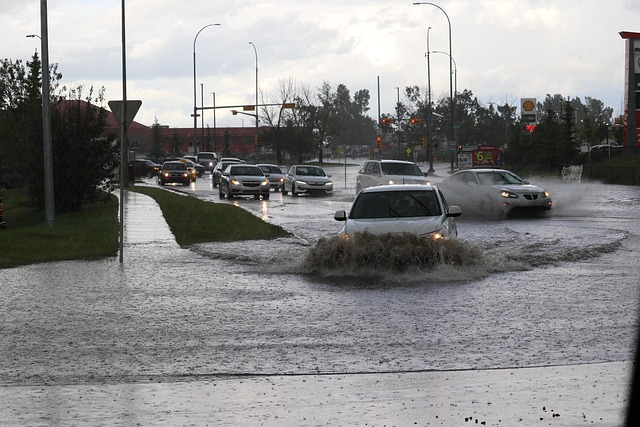
When it comes to restoring properties after a flood, Denver residents have a choice between traditional methods and eco-friendly solutions. Traditional flood restoration often involves heavy use of chemicals, such as bleach and ammonia, to clean and disinfect affected areas. While these methods are effective in killing bacteria and mold, they can leave behind harmful residues that pose health risks.
Eco-friendly flood restoration services Denver offers a safer alternative by utilizing natural cleaning agents and advanced water mitigation techniques. Water mitigation services Colorado companies employ include dried ice blasting for deodorization and specialized equipment to extract moisture quickly. For flooded house cleanup and repair, these methods ensure minimal environmental impact while effectively restoring homes, providing Denver emergency flooding assistance that prioritizes both the property and the well-being of its inhabitants.
Sustainable Solutions for Water Mitigation

When it comes to water mitigation after a flood hits Denver, sustainable solutions are paramount for both environmental and economic reasons. The city’s dedicated flood restoration services offer eco-friendly approaches that minimize the ecological impact while effectively restoring damaged property from floods. These methods often involve advanced technology like drying machines and moisture sensors, ensuring thorough yet gentle cleanup without harmful chemicals.
The expertise of a Denver flood response team lies in implementing green practices such as using biodegradable cleaners, promoting natural air flow for faster drying, and recycling or repurposing salvaged materials whenever possible. This not only reduces the carbon footprint associated with restoring damaged property from floods but also contributes to a healthier, more sustainable community. For homeowners facing basement flooding cleanup, these eco-conscious strategies provide a reliable and responsible path toward recovery without compromising on quality or effectiveness.
The Benefits of Eco-Conscious Flood Restoration

When it comes to flood restoration services in Denver, choosing eco-conscious options offers a multitude of benefits for both your property and the environment. Traditional restoration methods often rely on harsh chemicals and energy-intensive processes, contributing to pollution and greenhouse gas emissions. In contrast, eco-friendly solutions utilize natural, non-toxic cleaning agents and sustainable practices to mitigate damage. These methods not only reduce environmental impact but also create a safer, healthier living space for residents post-disaster.
In the event of disaster cleanup and restoration in Denver, employing expert basement flooding cleanup professionals who prioritize sustainability can make a significant difference. From flooded wall repairs to extensive water removal, these specialists utilize cutting-edge technology and eco-friendly products to restore your property while minimizing waste and energy consumption. By choosing this approach, you contribute to the preservation of Colorado’s natural beauty and ensure that your home is restored in harmony with the environment.
When it comes to flood restoration services Denver, adopting eco-friendly solutions is not just a trend but an essential step towards preserving our environment and communities. By choosing sustainable practices, we can mitigate water damage effectively while minimizing the ecological footprint left by traditional methods. The benefits are clear: reduced chemical usage, less waste generation, and a healthier, more vibrant Denver for future generations. Embrace these eco-conscious restoration techniques to protect your property and contribute to a greener, more resilient city.